
Introduction
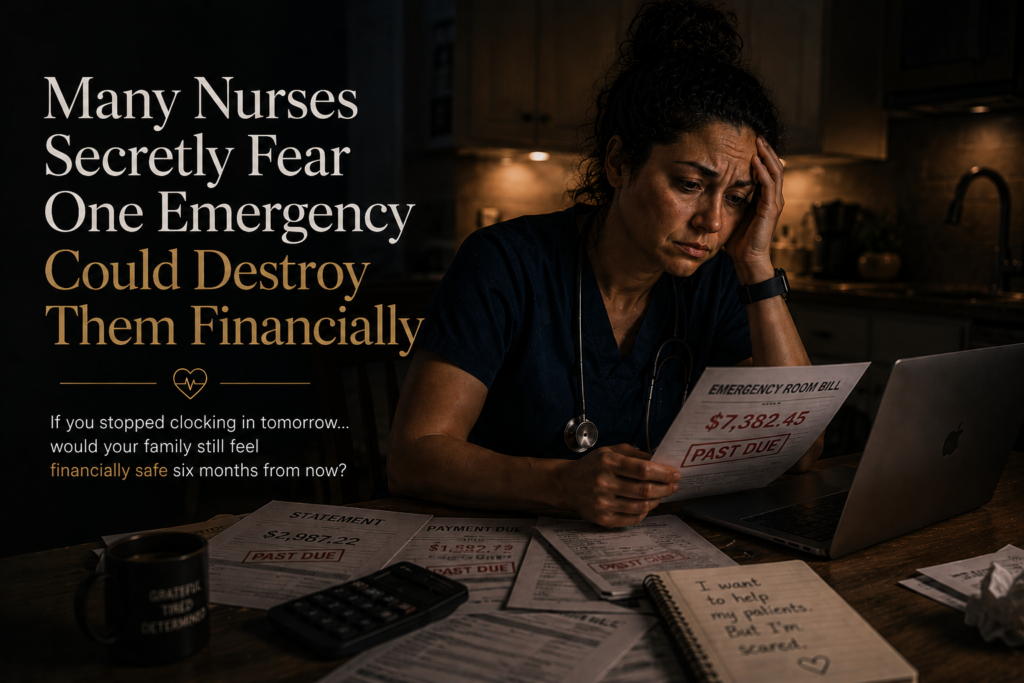
Nurses fear financial emergencies more often than many people realize. Despite working long shifts and caring for others every day, many nurses quietly worry about how they would handle an unexpected expense.For many people outside of healthcare, nursing appears to be a financially secure profession. Nurses are often viewed as dependable professionals with stable careers, competitive salaries, and consistent employment opportunities. Friends, family members, and even patients may assume that because nurses work long shifts and dedicate themselves to caring for others, they rarely have to worry about money. Yet behind that perception is a reality that many healthcare professionals know all too well.
Many nurses fear financial emergencies, even while working full-time or picking up overtime. A single unexpected expense—a major car repair, an emergency room bill, a missed paycheck due to illness, a family crisis, or sudden childcare costs—can create significant financial stress. For some nurses, these situations are not simply inconvenient. They can feel like financial tipping points that threaten months or even years of hard work and careful budgeting.
The emotional weight of financial uncertainty often extends far beyond dollars and cents. When someone feels financially vulnerable, the mind naturally begins preparing for the next possible setback. Questions such as, “What if my car breaks down?” “What happens if I get injured and can’t work?” or “How would I pay for an unexpected emergency?” can quietly become part of everyday thinking. Over time, these worries can create a constant sense of alertness that is difficult to switch off, even during moments that should feel peaceful.
For many nurses fear financial emergencies because they are balancing responsibilities that extend well beyond their own needs. Student loan payments, rising housing costs, childcare expenses, caring for aging parents, insurance premiums, credit card debt, and everyday living expenses all compete for the same paycheck. Even nurses who earn respectable incomes may find that increasing costs leave little room to build meaningful emergency savings. As a result, financial security can feel fragile despite years of education, experience, and hard work.
This constant pressure often affects emotional well-being in ways that are not immediately visible. Nurses are trained to remain calm during emergencies, comfort frightened patients, and make critical decisions under pressure. However, maintaining that level of professionalism while privately worrying about personal finances requires enormous emotional energy. Many continue showing up with compassion and confidence at work while quietly wondering how they would manage if life suddenly became more expensive tomorrow.
Financial stress can also keep the body’s stress response activated. Instead of viewing unexpected expenses as temporary inconveniences, many nurses begin anticipating financial emergencies before they happen. They may constantly monitor bank balances, calculate upcoming bills, worry about overtime availability, or hesitate to spend money on necessities because they fear something more urgent could arise. Living in this state of ongoing vigilance can gradually contribute to emotional exhaustion, difficulty relaxing, poor sleep, and persistent anxiety.
The encouraging news is that financial fear does not have to become a permanent way of life. Building greater financial stability is often a gradual process, not an overnight transformation. Small, consistent steps—such as creating an emergency fund, improving financial literacy, reducing unnecessary debt, and developing healthier money habits—can slowly increase both financial confidence and emotional resilience. Every positive financial decision creates a stronger foundation for the future.
This article explores why so many nurses fear financial emergencies, how chronic financial insecurity can affect emotional health and the nervous system, and practical ways to begin creating greater financial stability. Most importantly, it serves as a reminder that experiencing financial anxiety does not mean someone has failed. It means they are navigating the realities of modern life while continuing to care for others. Nurses deserve more than simply surviving from one paycheck to the next—they deserve the peace of mind that comes with knowing one unexpected expense does not have to become a financial crisis.
Financial Insecurity Can Keep the Nervous System in Fight-or-Flight Mode
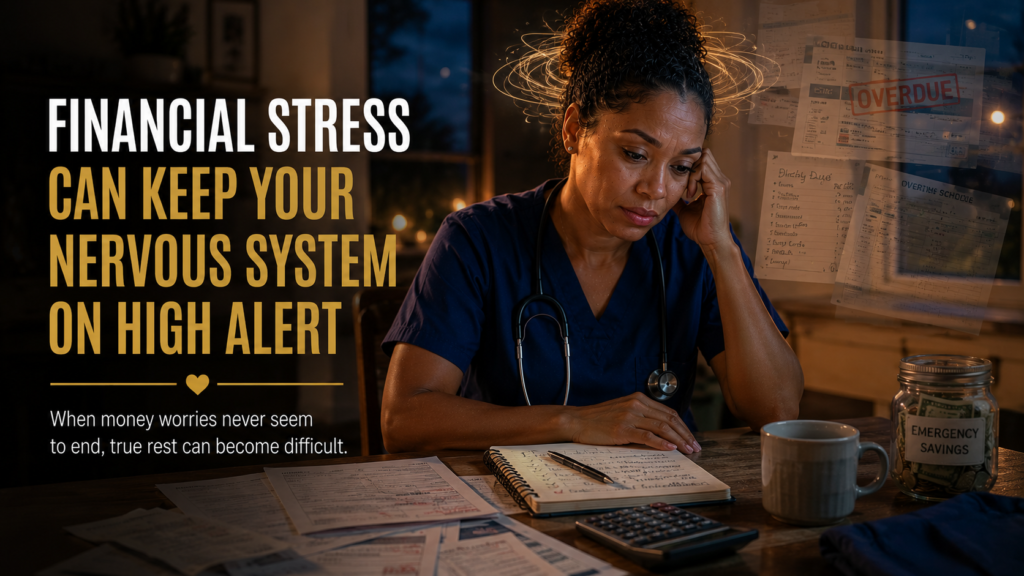
Financial insecurity affects far more than a person’s bank account. It can also influence how the brain and body respond to everyday life. When someone constantly worries about whether they could survive financially after an unexpected expense, the nervous system rarely has the opportunity to fully relax. Instead of feeling secure, the body may remain in a state of heightened awareness, always anticipating the next financial problem before it even happens. For many nurses fear financial emergencies, this ongoing stress quietly becomes part of daily life.
The human nervous system is designed to protect us from danger. During a true emergency, the body activates its fight-or-flight response, increasing alertness, raising stress hormones, and preparing us to react quickly. While this response is incredibly useful during short-term threats, it becomes emotionally draining when the perceived danger never seems to disappear. Financial insecurity can create exactly that kind of chronic stress. Instead of responding to one isolated event, the mind repeatedly anticipates future financial problems that may or may not occur.
For many nurses, financial concerns become a constant mental background process. Even during ordinary moments, their minds may automatically begin calculating expenses without conscious effort. While driving home after work, grocery shopping, or even trying to relax with family, they may find themselves thinking about:
- Monthly bills that are due soon.
- Overtime shifts needed to cover expenses.
- Current bank account balances.
- Upcoming rent or mortgage payments.
- Childcare and family responsibilities.
- Unexpected medical expenses.
- Vehicle maintenance or repair costs.
- The possibility of missing work because of illness or injury.
These thoughts often occur so frequently that they begin to feel normal. Many nurses fear financial emergencies because they know that one unexpected event—a broken transmission, emergency surgery, or temporary loss of income—could significantly disrupt their financial stability. As a result, their brains remain focused on identifying potential financial threats long before they happen.
Living in this constant state of vigilance requires tremendous emotional energy. The brain rarely receives permission to fully rest because it is continuously scanning for financial risks. Over time, this prolonged activation of the body’s stress response can contribute to emotional exhaustion, persistent anxiety, difficulty concentrating, irritability, disrupted sleep, and an overwhelming feeling of never being able to truly relax. Even during days when nothing financially stressful actually happens, the anticipation alone can leave someone mentally drained.
Many nurses become so accustomed to functioning under financial pressure that chronic anxiety starts to feel like a normal part of adulthood. They may believe that constantly worrying about money is simply the price of being responsible. Because these thoughts develop gradually over months or years, they often fail to recognize how much emotional energy is being consumed by financial fear every single day. What once felt temporary slowly becomes their new baseline.
This chronic stress can also affect life outside of work. Nurses may find it difficult to enjoy vacations, spend time with loved ones, or invest in hobbies because part of their mind remains occupied with financial concerns. Even positive experiences may be interrupted by worries about upcoming bills or whether spending money today could create problems tomorrow. Instead of feeling present, they remain emotionally prepared for the next financial setback.
It is important to remember that this response does not reflect personal weakness. It is a natural reaction to prolonged uncertainty. When the brain repeatedly experiences financial insecurity, it adapts by becoming more alert to anything that could threaten stability. Understanding this connection can help reduce self-blame and encourage healthier approaches to both financial planning and emotional recovery.
The encouraging news is that the nervous system can also learn safety over time. As financial stability gradually improves through consistent budgeting, emergency savings, debt reduction, and healthier money habits, many people notice that their constant sense of financial urgency begins to decrease. Building financial security is not only about protecting your bank account—it is also about creating the emotional freedom to rest, recover, and enjoy life without feeling that every unexpected expense could become a crisis.ecome so used to functioning under stress that chronic financial anxiety begins to feel normal.
Many Nurses Quietly Live Without a Financial Safety Net
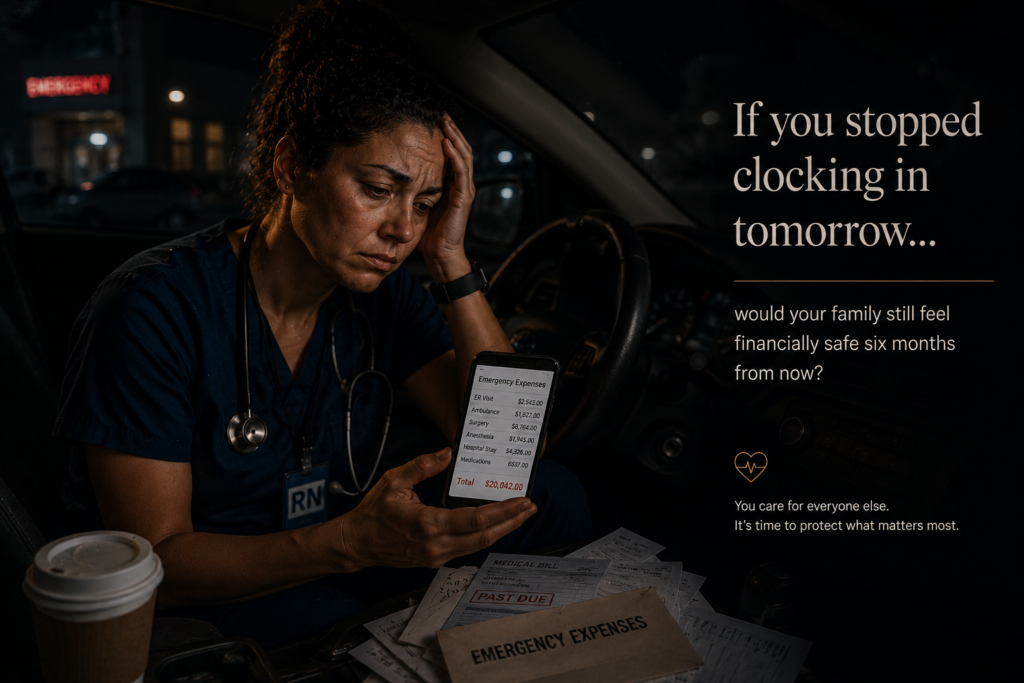
One of the most difficult realities facing many healthcare professionals today is not simply earning enough money to pay monthly bills—it’s trying to build lasting financial security while managing the constant demands of everyday life. Many nurses fear financial emergencies because, despite working long hours and dedicating themselves to caring for others, they often struggle to create the financial cushion needed to handle unexpected expenses with confidence. Living without a meaningful financial safety net can make even minor setbacks feel overwhelming.
For many nurses, every paycheck already has a purpose before it reaches their bank account. Mortgage or rent payments, utility bills, groceries, transportation, insurance premiums, childcare, student loans, and everyday household expenses quickly consume much of their income. Even nurses who earn competitive salaries may find there is little left to save after covering essential responsibilities. As the cost of living continues to rise, building an emergency fund can feel increasingly out of reach.
Many nurses fear financial emergencies because they are balancing multiple financial obligations at the same time, including:
- Student loan or educational debt.
- Rising housing and living expenses.
- Family and household responsibilities.
- Dependence on overtime to supplement income.
- Childcare and education costs.
- Credit card balances or other personal debt.
- Caring for aging parents or other loved ones.
- Emotional and physical burnout from demanding work schedules.
While each of these challenges may seem manageable individually, together they can create ongoing financial pressure that leaves little room for unexpected expenses. Instead of steadily building savings, many nurses find themselves focusing on simply making it through each month without falling behind. Financial survival becomes the priority, while long-term financial security is pushed further into the future.
When emergency savings are limited or nonexistent, ordinary life events can suddenly feel like major financial crises. A vehicle breakdown, an unexpected medical bill, a household appliance needing replacement, or a temporary illness that results in missed work can quickly create significant stress. Rather than viewing these situations as temporary inconveniences, many nurses fear financial emergencies because they know one unexpected expense could require using credit cards, taking on additional debt, or working even more overtime just to recover.
This constant financial vulnerability can also create emotional consequences. Many nurses describe feeling as though they are always one step behind, regardless of how hard they work. Even after completing exhausting twelve-hour shifts, they may continue worrying about whether they have enough savings to protect themselves or their families if something unexpected happens. The absence of a financial safety net often means there is little opportunity to fully relax because the possibility of an emergency never feels far away.
Over time, this uncertainty can quietly affect confidence and peace of mind. Instead of feeling rewarded for years of education, experience, and dedication to patient care, some nurses begin questioning why financial stability still feels so difficult to achieve. They may compare themselves to others, feel embarrassed about their savings, or believe they should be further ahead financially. In reality, many healthcare professionals are facing similar challenges, even if those struggles remain hidden.
The encouraging news is that building a financial safety net does not require immediate perfection. Financial security is often created gradually through consistent habits rather than dramatic changes. Setting aside even small amounts each payday, reducing unnecessary expenses where possible, paying down high-interest debt, and developing a realistic savings plan can slowly create greater financial resilience. Every contribution to an emergency fund represents more than money—it represents increased confidence, reduced stress, and greater freedom to handle life’s unexpected moments.
For many nurses fear financial emergencies, the goal is not becoming wealthy overnight. It is creating enough financial breathing room that an unexpected expense no longer triggers panic or feelings of helplessness. Every step toward financial stability, no matter how small, helps transform uncertainty into confidence and allows nurses to focus more fully on caring for themselves and the patients who depend on them..
Real Nurse Scenario: One Unexpected Expense Away From Panic.
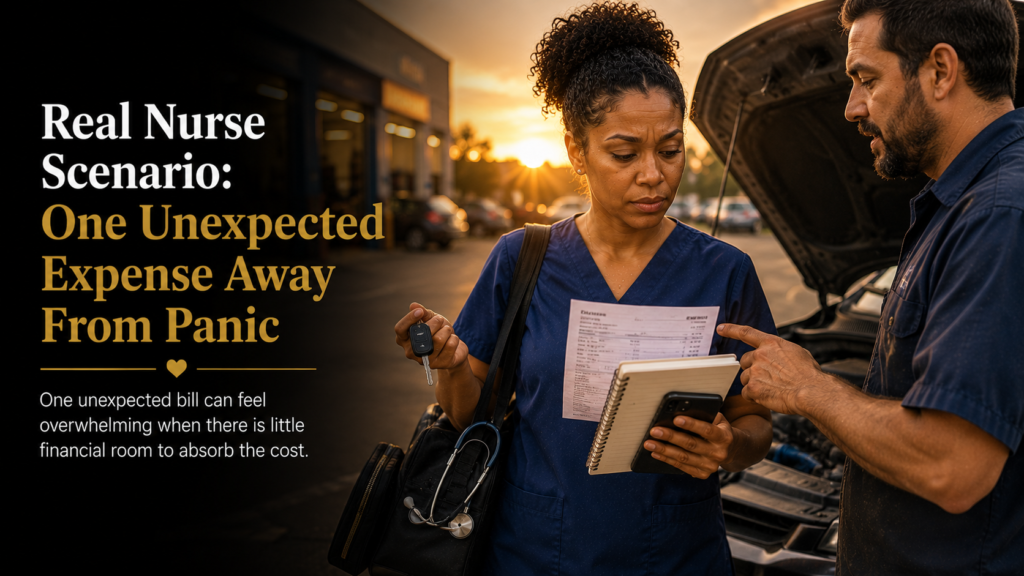
TiTiana is a full-time registered nurse who genuinely enjoys caring for her patients. She arrives early for her shifts, willingly helps coworkers when the unit becomes busy, and frequently picks up overtime whenever additional hours are available. To those around her, she appears financially stable. She owns a reliable car, pays her bills on time, and rarely talks about money. Friends and colleagues assume she has everything under control because she consistently works hard and maintains a positive attitude.
What most people do not see is that Tiana quietly worries about her finances almost every day. Like many nurses fear financial emergencies, she has worked hard to stay ahead, but rising living expenses, monthly bills, insurance premiums, and family responsibilities leave very little room to build meaningful savings. Although she carefully budgets every paycheck, unexpected costs always seem to arrive before she has a chance to fully recover from the last one.
One afternoon, after finishing a long twelve-hour hospital shift, Tiana’s car began making unusual noises during her drive home. The next morning, the mechanic confirmed what she had been afraid to hear: the repairs would cost several thousand dollars. In an instant, what had started as a normal week became an overwhelming source of anxiety.
Her thoughts immediately shifted away from the repair itself and toward everything it would affect. Within minutes, her mind was racing through questions she had asked herself many times before:
- How will I pay this repair bill?
- Can I afford to work enough overtime to cover it?
- Do I have enough money in my checking account?
- What bills are due over the next two weeks?
- Will I have to rely on my credit card again?
- What happens if another emergency happens before I recover financially?
- What if I have to miss work because my car isn’t available?
Although the repair could eventually be managed, the emotional impact felt immediate. Tiana wasn’t simply worried about fixing her vehicle—she was worried about how one unexpected expense could disrupt every part of her financial life. Like many nurses fear financial emergencies, she realized that her greatest stress came from feeling financially vulnerable rather than from the repair itself.
The following days were emotionally exhausting. Tiana continued providing safe, compassionate care for her patients, smiling during conversations with families and supporting her coworkers throughout each shift. No one around her realized she was silently calculating overtime hours, reviewing bank balances during lunch breaks, or wondering which expenses could be postponed until her next paycheck. Outwardly, nothing had changed. Internally, however, the financial pressure was difficult to ignore.
The experience also affected her ability to relax after work. Instead of enjoying her evenings, she found herself constantly reviewing her budget, searching for ways to stretch every dollar a little further. Even simple purchases began to feel stressful because she worried another financial surprise might be waiting around the corner. Her nervous system remained on high alert, making restful sleep and emotional recovery increasingly difficult.
Over time, Tiana realized that the repair bill itself was only part of the problem. The deeper issue was recognizing how little financial margin existed between stability and crisis. Years of working hard had helped her stay current on her responsibilities, but they had not yet provided the financial cushion she wanted. That realization was discouraging, but it also became a turning point.
Rather than allowing fear to control every financial decision, Tiana gradually began focusing on building greater stability one step at a time. She created a realistic emergency savings plan, reduced unnecessary spending where possible, paid extra toward high-interest debt, and committed to learning more about personal finance. Progress was slow, but each small milestone helped reduce the constant anxiety she had carried for so long.
Tiana’s story reflects the experience of many healthcare professionals. Nurses fear financial emergencies not because they lack dedication or work ethic, but because unexpected expenses can quickly expose how fragile financial security sometimes feels. The encouraging truth is that financial confidence is built gradually. Every dollar saved, every debt reduced, and every healthy financial habit developed helps create a stronger foundation for the future. Over time, that growing sense of security allows nurses to spend less energy worrying about the next emergency and more energy enjoying the lives they work so hard to build.
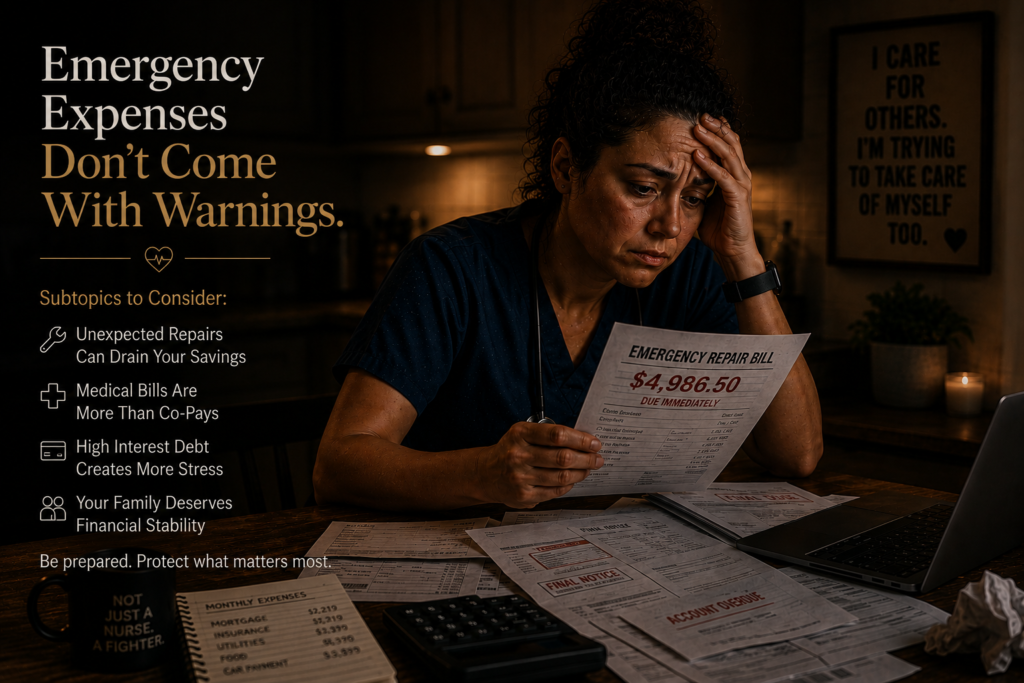
Living With Constant Financial Fear Becomes Emotionally Exhausting
Financial stress is often described as a money problem, but for many healthcare professionals, it becomes much more than that. It can gradually influence emotional well-being, physical health, and the ability to recover from the demands of nursing. Many nurses fear financial emergencies for years while continuing to provide exceptional patient care, rarely allowing anyone to see the emotional burden they carry. Although they remain dedicated professionals, living with constant financial uncertainty can quietly drain their energy long after their shifts have ended.
Unlike a single stressful event, chronic financial fear rarely has a clear beginning or end. Instead, it becomes a constant companion. Many nurses wake up thinking about bills, spend their workdays calculating overtime opportunities, and fall asleep worrying about upcoming expenses. Even on days when nothing financially difficult happens, the possibility that something could happen is enough to keep the mind on alert. Over time, this ongoing anticipation of financial hardship can become emotionally exhausting.
Many nurses fear financial emergencies because they know how quickly life can change. A missed paycheck due to illness, an unexpected medical expense, a vehicle breakdown, or an emergency involving a family member can suddenly disrupt months of careful financial planning. As a result, many nurses begin living as though they are always preparing for the next crisis rather than enjoying the present moment.
Constant financial vulnerability can quietly affect many areas of life, including:
- Emotional recovery after stressful shifts.
- Sleep quality and the ability to fully rest.
- Nervous system regulation and relaxation.
- Recovery from burnout and compassion fatigue.
- Overall mental health and emotional well-being.
- Confidence in long-term financial security.
- Relationships with family and loved ones.
- Emotional resilience during everyday challenges.
These effects often develop gradually, making them easy to overlook. A nurse may simply believe they are tired from work when, in reality, their mind has spent months—or even years—remaining in a heightened state of financial vigilance. Instead of experiencing genuine rest after a shift, they continue mentally reviewing budgets, checking bank balances, or worrying about future expenses. Even vacations, weekends, or days off may feel interrupted by persistent financial thoughts.
Living in this constant state of alertness can also affect the body’s natural ability to recover from stress. The nervous system functions best when it can alternate between periods of activity and periods of rest. However, when financial fear becomes chronic, many nurses spend far more time in a state of emotional readiness than relaxation. They may notice increased irritability, muscle tension, headaches, difficulty sleeping, trouble concentrating, or the feeling that they are never truly able to “switch off.” Although these symptoms can have many causes, prolonged financial stress may contribute to this ongoing emotional strain.
Over time, some nurses become so accustomed to operating under financial pressure that they stop recognizing how much energy it consumes. Constant worry becomes their normal. They begin believing that everyone feels this way or that living with financial anxiety is simply part of adulthood. Unfortunately, accepting chronic stress as normal can delay the conversations and financial changes that might help reduce it.
The encouraging reality is that emotional recovery becomes more possible as financial stability gradually improves. Building an emergency fund, reducing high-interest debt, creating a realistic budget, increasing financial education, and developing healthier financial habits may not eliminate every source of stress overnight, but they can steadily reduce the constant sense of vulnerability. Each positive financial decision helps create more than monetary security—it also creates emotional breathing room.
For many nurses fear financial emergencies, true financial healing involves more than increasing income. It means reaching a point where an unexpected expense no longer feels like an immediate threat to personal stability or emotional well-being. It means allowing the nervous system to experience safety instead of constant survival mode. While this journey takes time, every small step toward financial preparedness helps replace fear with confidence and chronic stress with greater peace of mind.
Ultimately, nurses deserve more than simply surviving one paycheck at a time. They deserve the opportunity to recover fully after caring for others, enjoy time with loved ones without constant financial worry, and feel confident that life’s unexpected moments will not undo everything they have worked so hard to build..

Financial Safety Helps the Nervous System Feel Safer Too
MaAfter living with financial stress for months or even years, many nurses begin believing that constant anxiety is simply part of everyday life. They may blame themselves for always worrying about money or wonder why they cannot seem to relax, even during their days off. The truth is that this response is often much deeper than personal habits or personality. Many nurses fear financial emergencies because prolonged financial uncertainty can train the mind and body to remain emotionally alert, even when no immediate crisis is happening.
The nervous system is designed to protect us from danger. When we experience stressful situations, the brain activates a survival response that increases awareness and prepares the body to react quickly. This response is extremely helpful during true emergencies. However, when financial uncertainty becomes a long-term reality, the nervous system may remain partially activated almost all the time. Instead of relaxing after a stressful event passes, the body continues anticipating the next financial setback.
For many nurses fear financial emergencies, this ongoing state of vigilance can become so familiar that they no longer recognize it as chronic stress. They may constantly check their bank account before making purchases, hesitate to spend money even on necessities, or feel anxious every time an unfamiliar phone number appears on their caller ID because they fear it could be another unexpected bill. Small financial decisions begin carrying emotional weight far beyond their actual cost because the mind has learned to associate uncertainty with potential danger.
It is important to understand that this does not mean someone is weak, irresponsible, or incapable of managing money. It simply means the brain and body have adapted to living under prolonged financial pressure. Just as nurses develop heightened awareness in clinical emergencies to protect their patients, the nervous system can become highly sensitive to financial uncertainty in an effort to protect personal survival. Recognizing this connection often helps replace self-blame with greater self-compassion.
Financial healing, therefore, involves much more than improving a bank balance. It also means gradually teaching the nervous system that life is becoming safer. As financial stability slowly increases, many people notice they begin sleeping better, thinking more clearly, and feeling less overwhelmed by everyday expenses. Confidence grows not because every financial problem disappears, but because the fear of complete financial collapse becomes less overwhelming.
For many nurses, building greater financial security may begin with small, consistent actions such as:
- Reducing financial chaos one step at a time.
- Building an emergency savings fund gradually.
- Improving financial education and money management skills.
- Paying down high-interest debt whenever possible.
- Lowering chronic financial stress through realistic budgeting.
- Reducing dependence on overtime as financial stability improves.
- Creating healthier routines for rest, exercise, and emotional recovery outside of work.
- Asking for financial guidance or support when needed instead of carrying every burden alone.
None of these changes happen overnight, and very few nurses experience instant financial transformation. Real financial stability is usually built through consistent habits practiced over months and years. Every emergency fund contribution, every debt payment, every informed financial decision, and every healthy boundary established around work creates another layer of security. Those small victories gradually reduce the constant feeling of living on the edge of financial crisis.
Many nurses fear financial emergencies because they have spent years carrying responsibilities that extend far beyond the hospital. They care for patients during some of life’s most difficult moments while simultaneously managing mortgages, student loans, family obligations, childcare costs, and rising living expenses. It is understandable that the body learns to remain alert when so much feels dependent on every paycheck. Recognizing this reality is not making excuses—it is acknowledging the tremendous weight many nurses quietly carry every day.
Perhaps the most encouraging part of financial healing is realizing that emotional safety can grow alongside financial progress. As emergency savings increase, debt decreases, and financial confidence develops, the nervous system gradually learns that not every unexpected expense represents a personal crisis. Over time, the body becomes less reactive, emotional resilience improves, and moments of genuine peace become more common.
Nurses deserve more than simply surviving from one paycheck to the next. They deserve lives where an unexpected expense no longer immediately triggers panic, sleepless nights, or emotional survival mode. They deserve the confidence that comes from knowing they have built a stronger financial foundation, one intentional step at a time. Financial healing is not only about creating wealth—it is about creating freedom, stability, and the emotional peace that allows nurses to care for themselves with the same compassion they so generously offer to others.

Conclusion
Many nurses dedicate their lives to helping others through some of the most challenging moments imaginable. They respond to emergencies with confidence, advocate for vulnerable patients, and provide compassionate care under tremendous pressure. Yet when it comes to their own financial well-being, many quietly carry worries that few people ever see. For countless healthcare professionals, the fear of an unexpected expense never completely disappears, even after years of hard work and full-time employment.
The reality is that nurses fear financial emergencies for reasons that extend far beyond income alone. Rising living costs, student loan debt, childcare expenses, family responsibilities, inflation, burnout, and dependence on overtime can all make financial stability feel fragile. Even nurses with successful careers may worry about how they would handle a major car repair, a medical emergency, or a temporary loss of income. Living with this uncertainty can quietly affect emotional well-being, sleep, relationships, and the body’s ability to fully recover from stress.
The encouraging news is that financial healing is possible. It rarely happens overnight, and it doesn’t require perfection. Building greater financial security is often the result of many small, consistent decisions made over time. Creating a realistic budget, building an emergency fund one paycheck at a time, reducing high-interest debt, improving financial literacy, and setting healthier boundaries around work can gradually reduce both financial stress and emotional exhaustion. Every positive financial choice strengthens not only your finances but also your confidence in handling life’s unexpected challenges.
Perhaps most importantly, remember that your financial circumstances do not define your value. Needing more time to build savings or recover from financial setbacks does not make you less successful, less responsible, or less deserving of peace of mind. Many nurses fear financial emergencies, but they are not alone in that experience. Financial anxiety is far more common than many people realize, and acknowledging it is often the first step toward lasting change.
Nurses spend every day helping others feel safe during moments of uncertainty. They deserve that same sense of safety in their own lives. Imagine reaching a point where an unexpected expense no longer immediately triggers panic, where your emergency fund provides confidence instead of fear, and where your days off are spent resting rather than worrying about money. That future is built gradually through consistent habits, informed financial decisions, and the willingness to invest in your own well-being.
Financial freedom is not only about having more money. It is about having more peace. It is about creating enough stability that your nervous system no longer feels like it has to remain on constant alert. Every step you take today—no matter how small—moves you closer to a future where financial emergencies feel manageable instead of overwhelming. You have spent your career caring for others. You deserve the same care, security, and compassion for yourself.
Frequently Asked Questions
Why do many nurses fear financial emergencies even with full-time jobs?
Many nurses fear financial emergencies because a full-time income does not always guarantee financial security. Rising housing costs, student loans, childcare expenses, insurance premiums, inflation, and family responsibilities can leave little room for emergency savings. As a result, unexpected expenses such as car repairs or medical bills can feel overwhelming despite working full-time.
Can financial stress affect the nervous system?
Yes. Chronic financial stress can keep the body’s stress response activated for extended periods. Many people experience increased anxiety, difficulty sleeping, muscle tension, emotional exhaustion, and trouble relaxing when they constantly worry about money. Over time, prolonged financial insecurity may contribute to feeling emotionally overwhelmed and physically drained.
Why do unexpected expenses create so much anxiety?
Unexpected expenses often represent more than the cost itself. For many nurses, they also trigger fears about missed income, accumulating debt, or falling behind on important financial obligations. When emergency savings are limited, even relatively common expenses can feel like significant financial threats.
How can nurses begin building an emergency fund?
Building an emergency fund usually starts with small, consistent contributions rather than large deposits. Setting aside even a modest amount from every paycheck, reducing unnecessary spending, and automating savings can gradually create financial security over time. Consistency is often more important than the amount saved initially.
Does working more overtime solve financial anxiety?
Overtime can temporarily increase income, but it does not always eliminate financial stress. Relying heavily on extra shifts may contribute to burnout, emotional exhaustion, and reduced work-life balance. Long-term financial stability often comes from combining income growth with budgeting, saving, debt reduction, and healthy financial habits.
Can financial anxiety improve over time?
Yes. Many nurses experience less financial anxiety as they build emergency savings, improve financial literacy, reduce debt, and develop healthier money habits. Emotional recovery often improves alongside financial stability because the nervous system gradually feels less threatened by unexpected expenses.
Is it normal to feel embarrassed about financial struggles?
Yes. Financial shame is common, especially among professionals who are expected to appear financially secure. However, experiencing financial challenges does not reflect personal worth or professional success. Many hardworking nurses face similar struggles, and seeking support is a positive step toward financial recovery.
What is the first step toward feeling more financially secure?
The first step is gaining a clear understanding of your current financial situation without judgment. Creating a realistic budget, identifying spending patterns, setting achievable savings goals, and making one positive financial change at a time can gradually build both financial confidence and emotional peace of mind.
Learn More About Financial Wellness
Financial stress can affect both emotional and financial well-being. The American Nurses Association (ANA) offers resources on nurse wellness, workplace advocacy, and professional support.
The Consumer Financial Protection Bureau (CFPB) provides free budgeting tools, debt management guidance, and financial education to help individuals build healthier money habits.
The National Institute of Mental Health (NIMH) explains how chronic stress affects emotional health and offers educational resources about recognizing and managing stress.